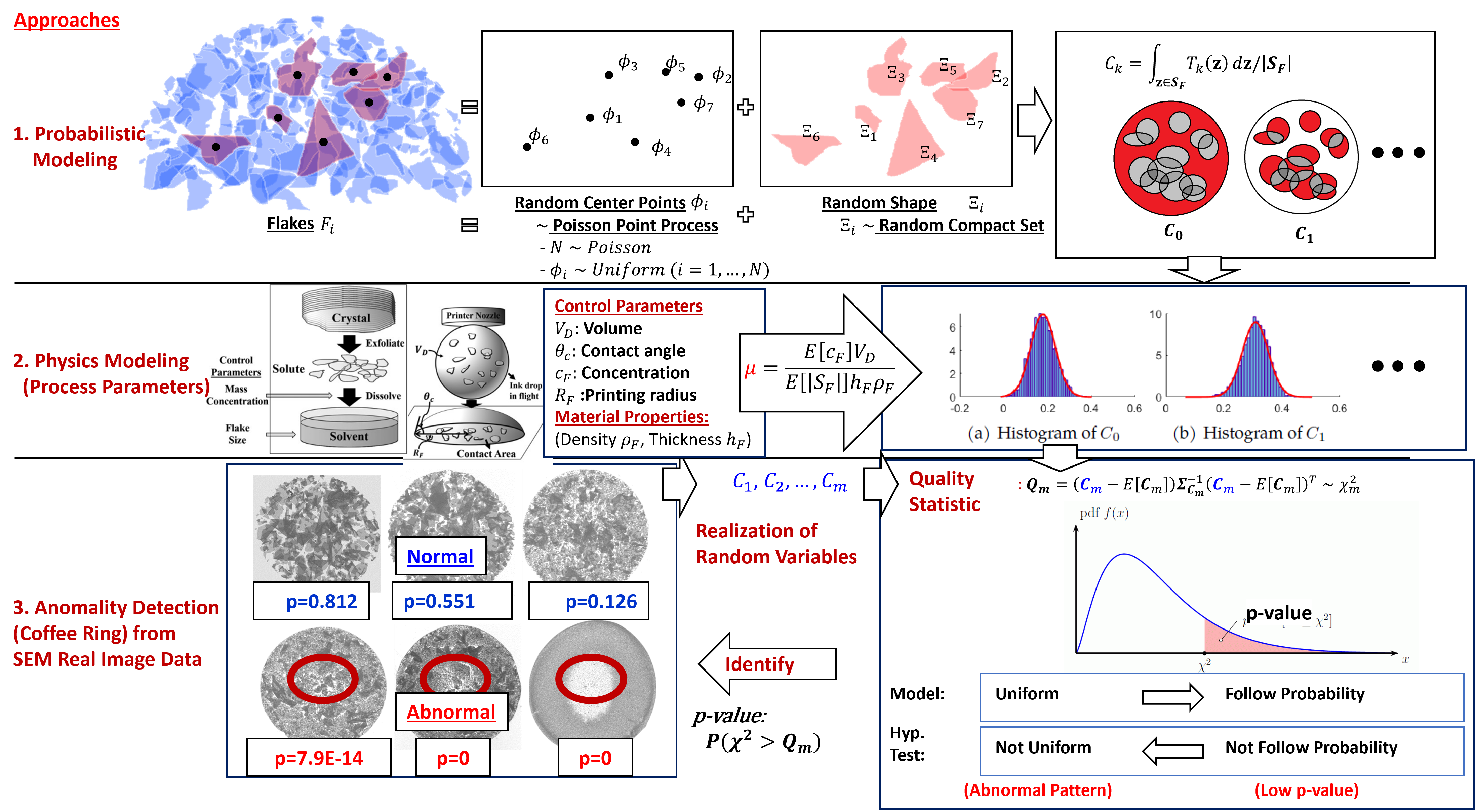
[J3] Jaesung Lee, Shiyu Zhou, and Junhong Chen, “Statistical Modeling and Analysis of k-Layer Coverage of Two-Dimensional Materials in Inkjet Printing Processes,” Technometrics, vol. 63, no. 3, pp. 410–420, 2021, doi:10.1080/00401706.2020.1805020.
Publication record: [J3]
[C3] J. Lee, C. Wang, S. Zhou, and J. Chen, “Spatial distribution quantification and control of ink flakes in reduced graphene oxide FET inkjet printing,” Procedia Manufacturing, vol. 34, pp. 19–25, 2019, 47th SME North American Manufacturing Research Conference, NAMRC 47, Pennsylvania, USA, doi:10.1016/j.promfg.2019.06.109.
Publication record: [C3]
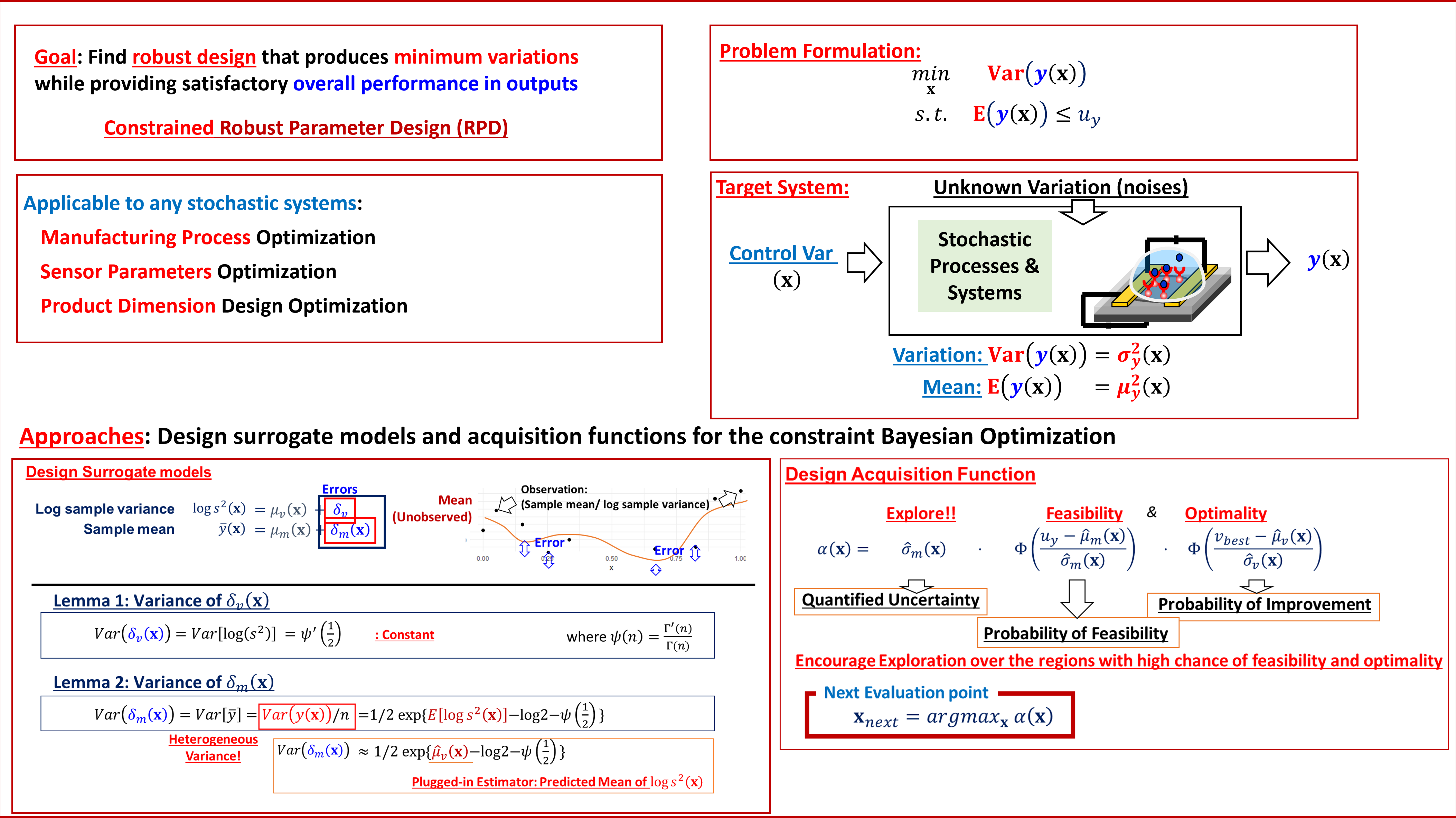
[J8] Jaesung Lee, Shiyu Zhou, and Junhong Chen, “Robust Parameter Design on Dual Stochastic Response Models With Constrained Bayesian Optimization,” IEEE Transactions on Automation Science and Engineering, vol. 21, no. 2, pp. 2039–2050, 2024, doi:10.1109/TASE.2023.3251973.
Publication record: [J8]
[J5] Congfang Huang, Jaesung Lee, Yang Zhang, Shiyu Zhou, and Jiong Tang, “Mixed-Input Bayesian Optimization Method for Structural Damage Diagnosis,” IEEE Transactions on Reliability, vol. 72, no. 2, pp. 678–691, 2023, doi:10.1109/TR.2022.3179602.
Publication record: [J5]
[C4] J. Lee, S. Zhou, and J. Chen, “Sequential Robust Parameter Design With Sample Size Selection,” ASME 2022 17th International Manufacturing Science and Engineering Conference, vol. 85819, article V002T06A024, 2022, Indiana, USA, doi:10.1115/MSEC2022-85690.
Publication record: [C4]
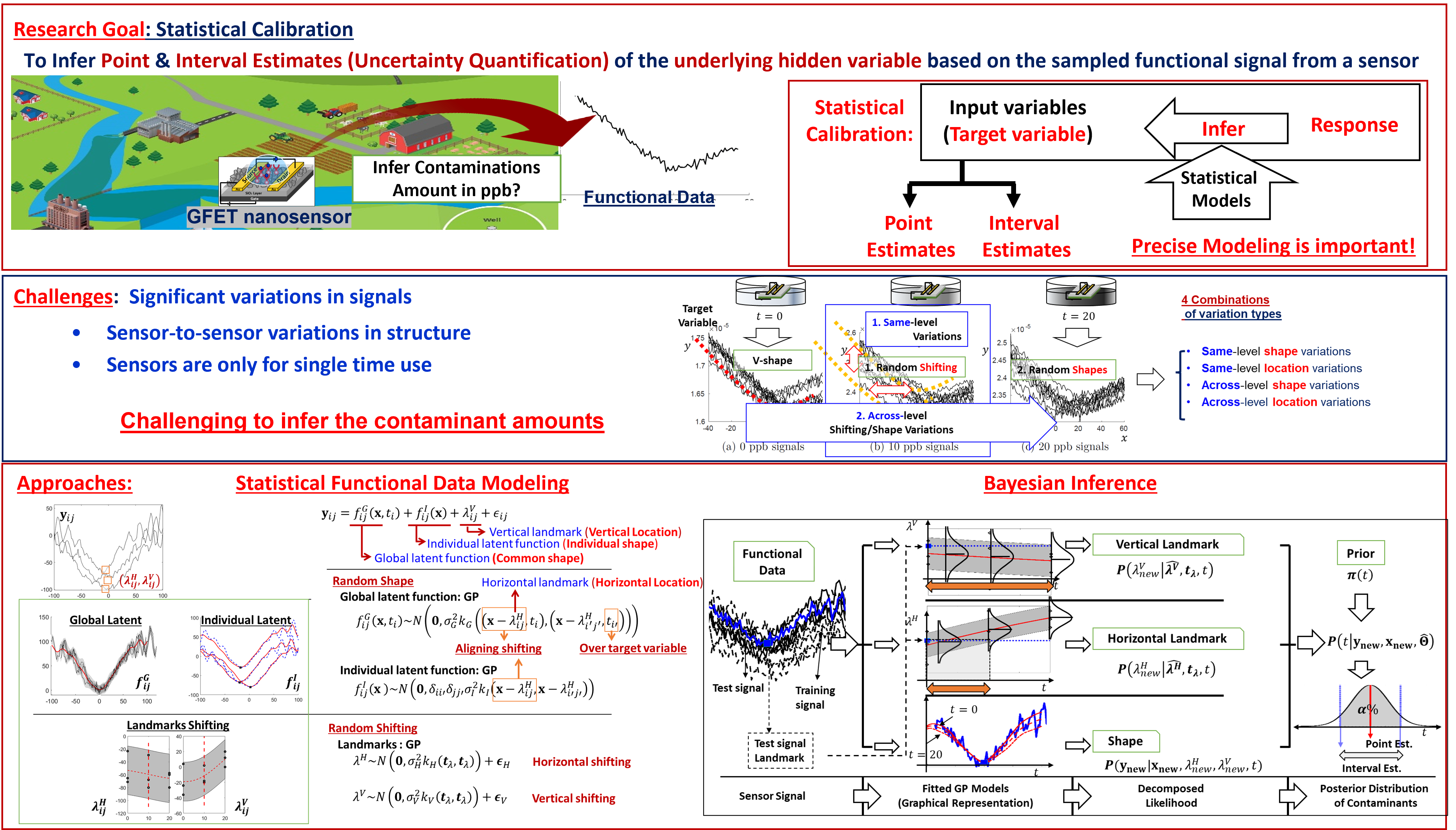
[J4] Jaesung Lee, Chao Wang, Xiaoyu Sui, Shiyu Zhou, and Junhong Chen, “Landmark-embedded Gaussian process with applications for functional data modeling,” IISE Transactions, vol. 54, no. 11, pp. 1033–1046, 2022, doi:10.1080/24725854.2021.1974129.
Publication record: [J4]
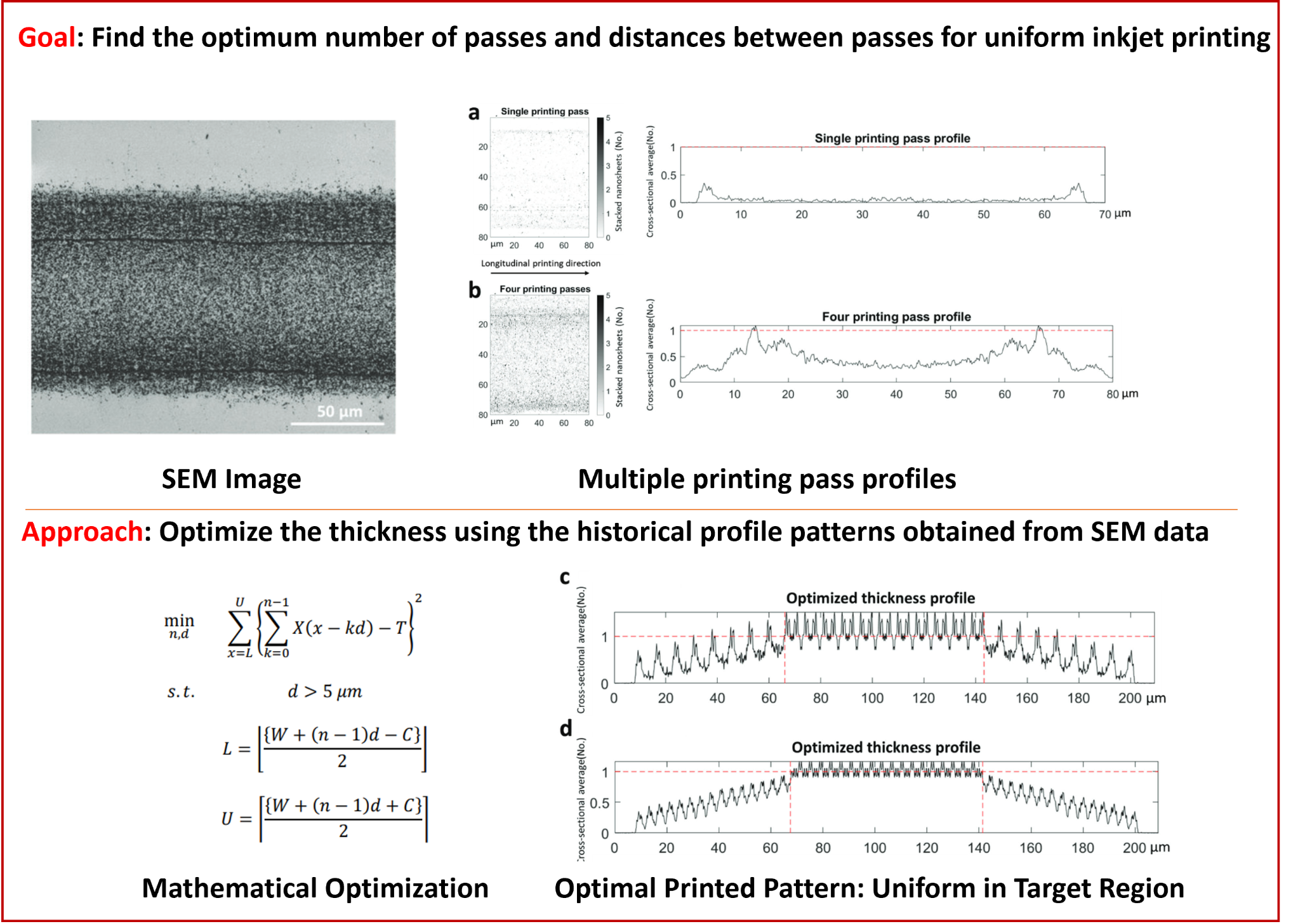
[J7] Xiaoyu Sui, Sonal V. Rangnekar, Jaesung Lee, Stephanie E. Liu, Julia R. Downing, Lindsay E. Chaney, Xiaodong Yan, Hyun-June Jang, Haihui Pu, Xiaoao Shi, Shiyu Zhou, Mark C. Hersam, and Junhong Chen, “Fully Inkjet-Printed, 2D Materials-Based Field-Effect Transistor for Water Sensing,” Advanced Materials Technologies, vol. 8, no. 22, article 2301288, 2023, doi:10.1002/admt.202301288.
Publication record: [J7]